Microcirculation & Healthy Aging
Microcirculation:
The Hidden Key to Healthy Aging

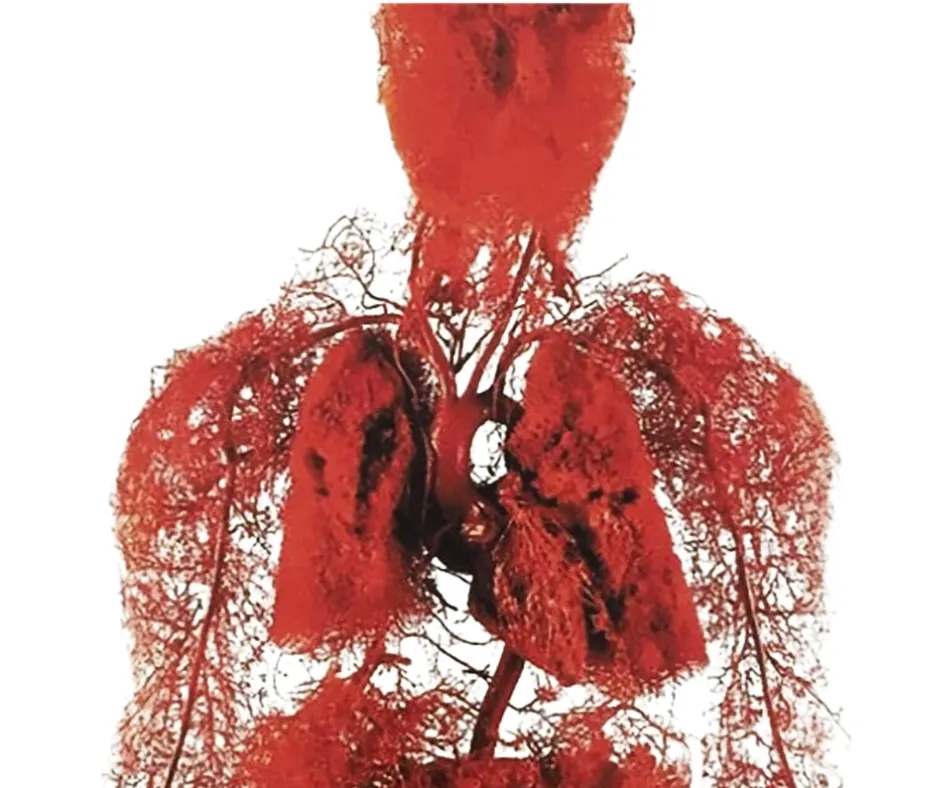
When most of us think about circulation, we picture the heart pumping blood through arteries and veins. We can feel our pulse and even see some veins under our skin. But what many people don’t realize is that nearly three-quarters of our circulation actually happens in vessels too small to see: the microcirculation.
These tiny vessels — arterioles, venules, and capillaries — form the “last mile” of blood flow. They don’t just carry blood; they deliver oxygen and nutrients directly to every cell in the body and remove waste products.
Here’s why that matters: cells make up tissues, and tissues make up organs. When microcirculation keeps each cell nourished and free of waste, tissues remain healthy. In turn, healthy tissues allow organs — like the heart, skin, kidneys, and brain — to function at their best.
In other words, good microcirculation doesn’t just feed cells. It supports the vitality of entire organs and body systems. Without it, the body can’t repair, recover, or perform as it should.
The Workhorse of the Circulatory System
The average adult body contains about 8–12 pints of blood, which travels through roughly 74,000 miles of blood vessels. That number alone is hard to imagine! But here’s the amazing part: your heart doesn’t have to do all the work of pushing blood through every tiny vessel.
Micro-vessels themselves are dynamic. They have the ability to contract and release rhythmically, a process sometimes called vasomotion, to help regulate local blood flow. This self-adjusting system ensures that even tissues far from the heart receive oxygen and nutrients in real time.
This system is designed to work beautifully, but unfortunately, it can be disrupted by factors such as unhealthy habits, lifestyle factors, injury, disease and aging. That’s where the microcirculation theory of aging comes in.
The Microcirculation Theory of Aging
In 2019, researcher Kunlin Jin proposed what is now widely discussed as the microcirculation theory of aging. The idea is simple but profound: as we grow older, the gradual impairment of microcirculation is one of the central drivers of aging itself.
Here’s what happens over time:
Structural changes: Capillaries and arterioles can become fewer in number (a process called capillary rarefaction). Vessel walls thicken due to collagen buildup and basement membrane changes, making nutrient exchange less efficient.
Endothelial dysfunction: The endothelium — the inner lining of blood vessels — loses its ability to respond properly. Blood vessels can’t dilate (open) as easily because of reduced nitric oxide bioavailability and increased oxidative stress.
Chronic inflammation: Aging tissues are often in a state of low-grade, chronic inflammation (inflammaging), which damages micro-vessels over time.
Mitochondrial dysfunction: The mitochondria inside vascular cells produce fewer units of energy and more damaging reactive oxygen species (ROS), further stressing vessel walls.
Diminished repair: Stem-like cells that normally help repair and replace damaged endothelial cells decline in both number and effectiveness with age.
Together, these changes mean that less oxygen and fewer nutrients reach tissues, while waste removal slows. The result? A gradual decline in cellular and organ function — what we commonly experience as aging.
Health Problems Linked to Poor Microcirculation
Poor microcirculation doesn’t just cause general “slowing down.” It has been linked to many of the most common age-related diseases and conditions:
Cardiovascular disease: Microvascular dysfunction often appears before large artery disease and is a strong predictor of future heart problems.
Cognitive decline and dementia: Reduced blood flow in the brain is linked to poorer memory and, over time, may contribute to dementia.
Metabolic disorders: Diabetes, obesity, and hypertension all involve microvascular impairment, which makes blood sugar and blood pressure harder to regulate.
Kidney disease: Reduced capillary density contributes to nephropathy and impaired kidney filtration.
Skin aging: Wrinkles, sagging, dullness, and slower wound healing all stem partly from reduced blood flow to the skin.
Exercise intolerance: Muscles in older adults receive less oxygen during activity, leading to quicker fatigue.
When you see aging from this perspective, it’s not just about “wear and tear.” It’s about microscopic blood flow.
Causes of Declining Microcirculation
So why does microcirculation decline in the first place?
Oxidative stress: An imbalance between free radicals and antioxidants damages cells.
Emotional stress: Stress hormones cause blood vessels to constrict, reducing oxygen and nutrient delivery at the cellular level. Chronic stress also promotes inflammation, which damages microvessels over time.
Inflammation: Chronic low-grade inflammation disrupts vessel function.
Sedentary lifestyle: Lack of physical activity reduces vasomotion and capillary density.
Poor diet: High sugar, processed foods, and unhealthy fats promote oxidative stress.
Trauma or disease: Injuries and certain conditions can damage small vessels.
The good news is that lifestyle choices and supportive therapies can make a real difference.
Ways to Support Healthy Microcirculation
Lifestyle Habits
Regular exercise: Aerobic activity like walking, cycling, or swimming boosts nitric oxide and helps capillaries stay flexible.
Nutritious diet: Leafy greens (high in nitrates), berries (rich in antioxidants), citrus fruits (vitamin C), garlic, and even dark chocolate can support vascular health.
Stress reduction: Chronic stress constricts vessels. Practices like deep breathing, meditation, or yoga relax them.
Therapeutic Interventions
Pharmaceutical research: Scientists are exploring drugs that target oxidative stress or enhance nitric oxide signaling.
Non-pharmacological approaches: Devices and therapies that stimulate circulation — including technologies designed to support vasomotion — show promise.
Emerging therapies: Experimental approaches such as stem cell therapy or angiogenesis-promoting growth factors are under study.
BEMER therapy: Research has shown that BEMER, a pulsed electromagnetic field device, can help improve microcirculation by supporting vasomotion in the smallest vessels. This enhances oxygen delivery and waste removal at the cellular level.
The Bigger Picture
The circulatory system is more than the heart and major vessels — it’s the microscopic highways that reach every cell. When those highways slow down, so does everything else. That’s why protecting microcirculation is one of the most important things we can do to support healthy aging, in both humans and animals.
While no therapy is a magic bullet, paying attention to microcirculation through exercise, nutrition, stress management, and supportive tools can keep blood flowing where it matters most — at the cellular level.
✅ Key study reference:
Jin K. A Microcirculatory Theory of Aging. Aging Dis. 2019;10(3):570-579. Read full text

