The Hidden Danger of Stress in Horses with EMS and IR
Understanding how Stress Hormones impact Blood Sugar, Insulin, and Laminitis Risk
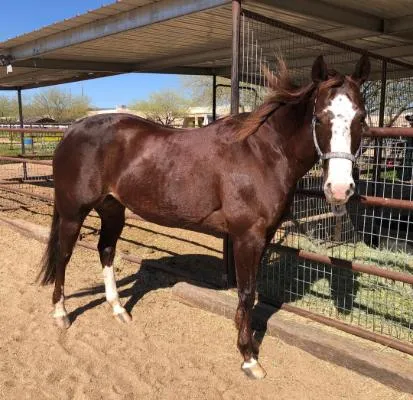
Yesterday morning, I decided to ride my other horse, Spoon, at a neighbor’s arena whose property adjoins mine. While I was excited to give Spoon some exercise, I couldn’t shake the small concern lingering in my mind — how would Rosie would handle being left behind?
It didn’t take long to find out. Within minutes of leading Spoon away, I heard frantic neighing. I found a safe place in my neighbors barn area to tie up Spoon, then went to check on Rosie. I found her quite sweaty, breathing heavily, running and neighing frantically, and pacing in distress. Her body was trembling. Even though there were other horses nearby (my other neighbors), it was clear Rosie felt overwhelmed by the situation.
As a nurse — and as someone who’s spent countless hours managing Rosie’s health — I knew immediately that this level of stress could be detrimental to her. In a horse with Equine Metabolic Syndrome (EMS), stress triggers a hormonal chain reaction that can be dangerous if not addressed quickly.
Many might have said, “Let her work through it — she’ll settle down.” But in that moment, I knew getting her back with Spoon wasn’t overprotective. It was preventive care.
Rosie’s stress response escalated within minutes of separation. For horses with EMS, stress can quickly turn into a serious metabolic risk — this is why early recognition and intervention matter. This is a brief snippet of her behavior without Spoon. Sound on.
Looking back, I realize today’s reaction didn’t happen in isolation. Rosie has always had a touch of separation anxiety, but nothing like what I saw this morning. Over the past year — due to several situational issues — Rosie and Spoon have not been separated even once. Between her medical needs, changes in turnout routines, and the extra caution we’ve taken with her rehabilitation, they have spent nearly every moment together. That long stretch of close companionship has clearly deepened her need for security. And today, when I took Spoon just a few yards away, that shift became strikingly clear.
The Science Behind Why I Acted Quickly
What happened in those few minutes wasn’t just behavioral upset — it triggered a very real metabolic response in Rosie’s body.
Here’s what science tells us about stress, cortisol, and managing horses with Equine Metabolic Syndrome (EMS) and Insulin Resistance (IR):
✅ Stress triggers cortisol release:
Whenever a horse experiences stress — whether physical or emotional — their body releases cortisol from the adrenal glands.
✅ Cortisol raises blood sugar:
Cortisol’s role is to help the body deal with stress by mobilizing energy, primarily by increasing blood glucose levels.
✅ In EMS and IR horses, glucose regulation is already impaired:
Because these horses are insulin-resistant, their tissues cannot efficiently use glucose, causing even higher insulin levels to circulate.
✅ High insulin levels can trigger laminitis:
Persistently high insulin — even from stress alone — dramatically increases the risk of developing painful, dangerous laminitis.
✅ Stress becomes a metabolic risk, not just an emotional event.
In short: for metabolic horses like Rosie, stress isn’t just upsetting — it’s a biological event that can quickly spiral into a medical emergency.
🐴 Common Stress Triggers for EMS/IR Horses:
Separation from herd mates
Trailering, traveling, or showing
New environments
Changes in herd dynamics
Pain or systemic illness
Environmental changes (storms, new pastures)
🛡️ How We Can Protect Metabolic Horses from Stress-Triggered Crises:
Maintain consistent routines and familiar environments
Gradually condition them to changes
Minimize sudden separations or transitions
Use calm, positive handling strategies
Ensure proper hydration and electrolyte balance
Act quickly when stress signs appear
🩺 Why Early Intervention Matters
Managing a horse with EMS means being proactive, not reactive. It’s about reading the small signs before they turn into big problems.
Some might say that I should have left Rosie to "work it out" — but I know better.
In horses like Rosie, stress isn’t just a feeling — it’s a hormonal cascade that can tip a delicate balance in minutes.
By choosing to step in early, I chose to protect her health, her comfort, and her future.
And that’s the lesson I want to share:
Metabolic horses are special needs horses. Many of my friends don't understand the things I do and lifestyle changes I have undergone to keep her as healthy as possible. I never want to see her with the pain of laminitis again. It's gut wrenching. When it comes to metabolic horses, trusting your instincts, honoring what you see, don't respond as if they are like all other horses and acting quickly can make all the difference. The very last thing you want for your horse is to have laminitis set in. Trust me on this.
If you have a horse navigating EMS, IR, or laminitis risk, trust your heart and your knowledge. Your quick action could mean everything to their health and their journey forward. 💚

